






Are Lash Extensions Out of Style in 2026? What Lash Artists and Salon Owners Need to Know
If you've been scrolling lately, you've probably seen it. A creator peels a $20 cluster kit open, applies it in ten minutes, and says salon lashes are over. Then another video says clients are cutting back. Then a robot is doing lash sets at Nordstrom.
So let's ask the question out loud, since a lot of you are already asking it quietly: are lash extensions out of style in 2026?
The short answer is no. The longer answer is more useful. Lash extensions are not going out of style, but the old way of selling them is. Heavy sets, one-size menus, and "book a full set and hope they come back" are losing ground. Lash artists and salon owners who adjust to what clients want now are still growing.
Here's what's actually happening in the lash industry this year, and what you can do with it.
The numbers say lash extensions are still growing
Feelings and headlines move fast. Market data moves slower, and right now it points up, not down.
One recent industry report puts the global eyelash extension market at about $1.59 billion in 2026, with projections reaching roughly $2.44 billion by 2032, a growth rate of around 7.3% per year (Research and Markets). Another forecast expects the market to add about $646 million between 2026 and 2030 (Technavio).
Different reports use different math, but none of them describe an industry that's dying. They describe one that's still expanding while it changes shape.
So why does it feel like lashes are slowing down?
Because a few real pressures are hitting at the same time. None of them mean "lashes are out." All of them mean "the way clients buy lashes is changing."
1. DIY lash clusters went mainstream
Cluster lashes are everywhere. One lash brand reports the DIY cluster trend has passed 900 million views on TikTok, with clusters typically lasting about 5 to 7 days with good care. Many cluster brands now market directly against salons, pitching a low-cost kit and a few minutes at the mirror as a replacement for a two-hour appointment.
That pitch works on some clients. But notice what's in the fine print: even cluster sellers admit there's a learning curve, and that people who rub their eyes, sleep face-down, or skip cleansing shouldn't wear clusters for multiple days. That's a big slice of real life.
2. Clients are spending more carefully
The economy is a real factor, and pretending otherwise doesn't help anyone.
- A spring 2026 consumer report found net beauty spending intent slightly negative (-3%), and 43% of consumers have simplified their beauty routines. But the same report says spending isn't collapsing. It's concentrating, meaning people spend on fewer things and expect more from each one (Global Cosmetic Industry).
- Consumer research from 2025 showed the largest group of regular salon clients (40%) still go to the salon, just less often, while doing more at home (CivicScience).
- And here's the flip side: in a 2026 survey, 63% of people said cutting back on beauty and wellness would leave them more stressed or less confident (Zenoti). For a lot of your clients, lashes are not a random splurge. They're part of how they feel put together.
The beauty economy is also split. Households earning over $100K account for close to half of beauty sales and have been increasing their spending, while other households pull back (eMarketer). Translation: your clients may not all be moving in the same direction. Your menu shouldn't assume they are.
3. Technology entered the lash room
LUUM, the AI-powered lash robot, has expanded into Ulta Beauty and Nordstrom locations, with a goal of bringing a full set down to about 33 minutes by lashing both eyes at once (CosmeticsDesign). Even so, the company still uses human lash artists for consultation, prep and finishing (Beauty News Daily).
The takeaway isn't "robots are coming for your job." It's that clients value speed and consistency, and the market is investing heavily to deliver both. You can deliver both too.
What really changed in 2026: the look, not the service
If you only remember one thing from this post, make it this: clients didn't stop wanting lashes. They stopped wanting heavy lashes.
Across the industry, the 2026 direction is clear. Beauty editors and lash pros describe a move away from dramatic volume toward softer curls and lash sets that look like a better version of the client's own lashes (American Spa). Some international beauty media call it "ghost lashes." Others call it the undone look (Prolong Lash).
Here's what's showing up in appointment books this year:
- Wispy sets with soft spikes. Still the leader, but more precise now, with spikes layered a couple of millimeters longer to mimic natural variation
- Hybrid lashes. The "woke up like this" balance between classic and volume
- Brown lashes. A softer, more sophisticated option than jet black, especially for lighter hair and skin tones.
- Lifted curls like L, LC and M. Popular for hooded and deep-set eyes.
- The wearable cat eye. Less extreme, more lifted.
- Lash lift and tint. A natural option for clients who aren't ready for, or can't maintain, extensions.
And here's something worth underlining: natural does not mean easy. A soft, airy set shows every misplaced extension and every retention issue. It takes real skill, real mapping, and good product to do it well. That is exactly why it's worth paying a professional for.
Are cluster lashes really your competition?
Some of them are. Most of them aren't, at least not in the way it feels.
Think about who's buying clusters. A lot of them are people who have never had extensions, are curious, and want to test the look without committing. Some will stick with DIY. But many will get tired of reapplying every week, dealing with the learning curve, or worrying about a cluster lifting at dinner. Those people now know exactly what they like. They're not cold leads anymore. They're warm ones.
Your job isn't to fight clusters. It's to be the obvious next step when a client is ready for something that lasts longer, looks more seamless, and doesn't take up her mornings.
Some salons are going a step further and adding quick, lower-priced express or cluster-style services to capture clients who aren't ready for a full set yet. Whether that fits your business depends on your brand and your clients. But it's worth thinking about instead of dismissing.
What lash extension prices look like in 2026
If you've been wondering whether you're priced right, here's where the U.S. market sits right now. These are broad ranges, and your city matters a lot.
|
Service |
Typical 2026 U.S. range |
|---|---|
|
Classic full set |
about $120 to $300 |
|
Hybrid full set |
about $150 to $350 |
|
Volume full set |
about $200 to $400+ |
|
Mega volume full set |
up to $500+ |
|
Fills (every 2 to 3 weeks) |
about $50 to $175, depending on style |
Ranges compiled from many sources in the U.S. A classic set in a major California city can cost nearly double what it does in a smaller town.
When money feels tight, the instinct is to drop prices. Please be careful with that. Your rent, your supplies, and your time didn't get cheaper. A better move is to price by the hour, know your cost per set, and give clients more than one way to say yes. Which brings us to the good part.
6 ways to grow your lash business in 2026
1. Build a natural-first lash menu
Make the looks clients are asking for easy to book. Name them clearly: Soft Wispy, Natural Hybrid, Brown Classic. Put real photos of your natural work at the top of your Instagram and booking page, not buried under your most dramatic sets.
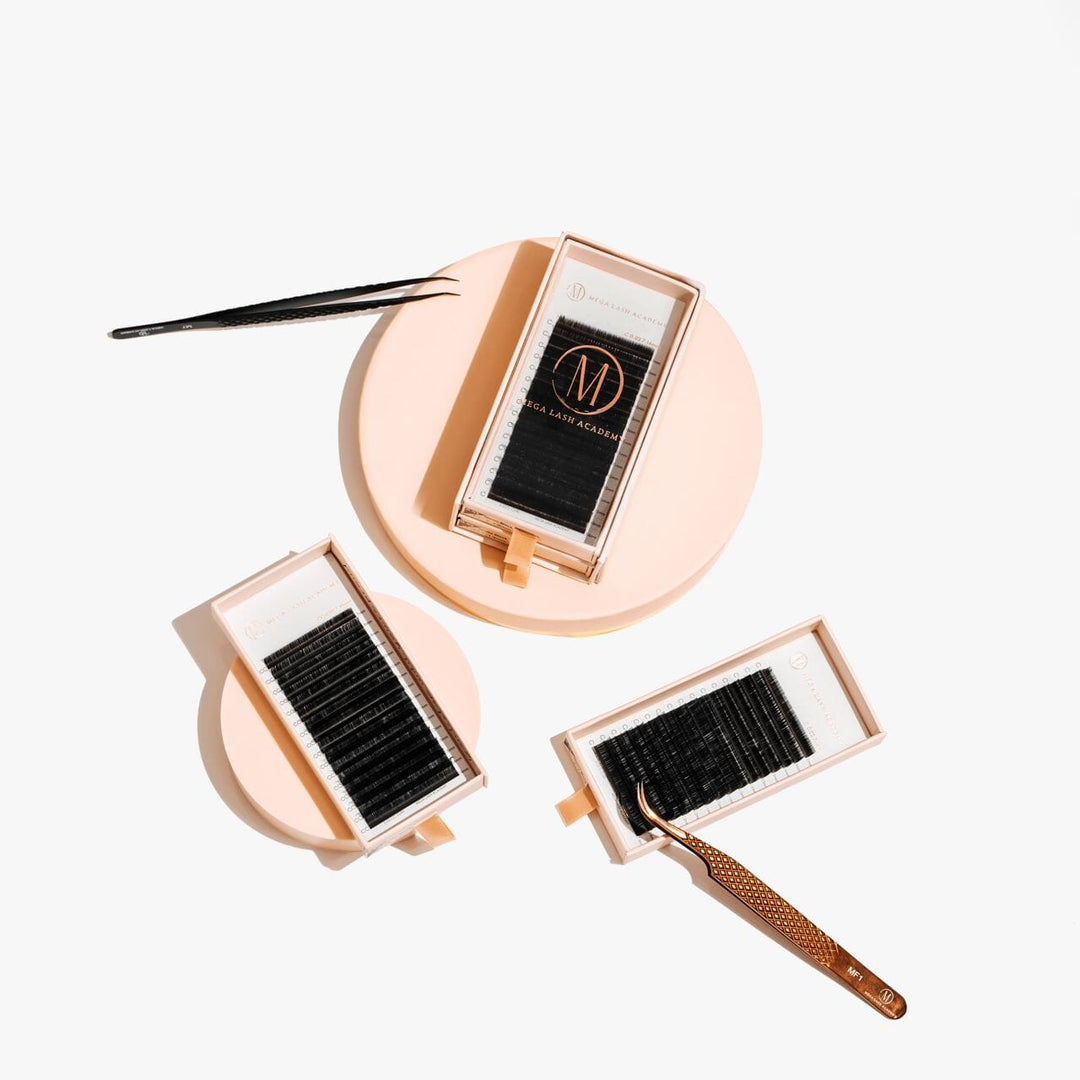
To pull off these looks consistently, stock the right tools: spikes and wispy fans for texture, brown lashes for softness, and YY or clover lashes for a quick, textured hybrid finish.
Shop: Camellia, Wispy and Spike Promade Fans · Brown Lashes · YY, Fairy and Clover Lashes
2. Get faster without cutting corners
The robots made one thing clear: time in the chair matters to clients. You don't need a machine to get faster. You need a smart workflow and consistent products.
Honest opinion: handmade fans are a real skill, and they're hard on your wrists. A well-made promade fan beats a clumpy handmade fan every single time. Using good promade fans for volume and hybrid work can shave real time off a set, which means more clients per day or more breathing room between them.
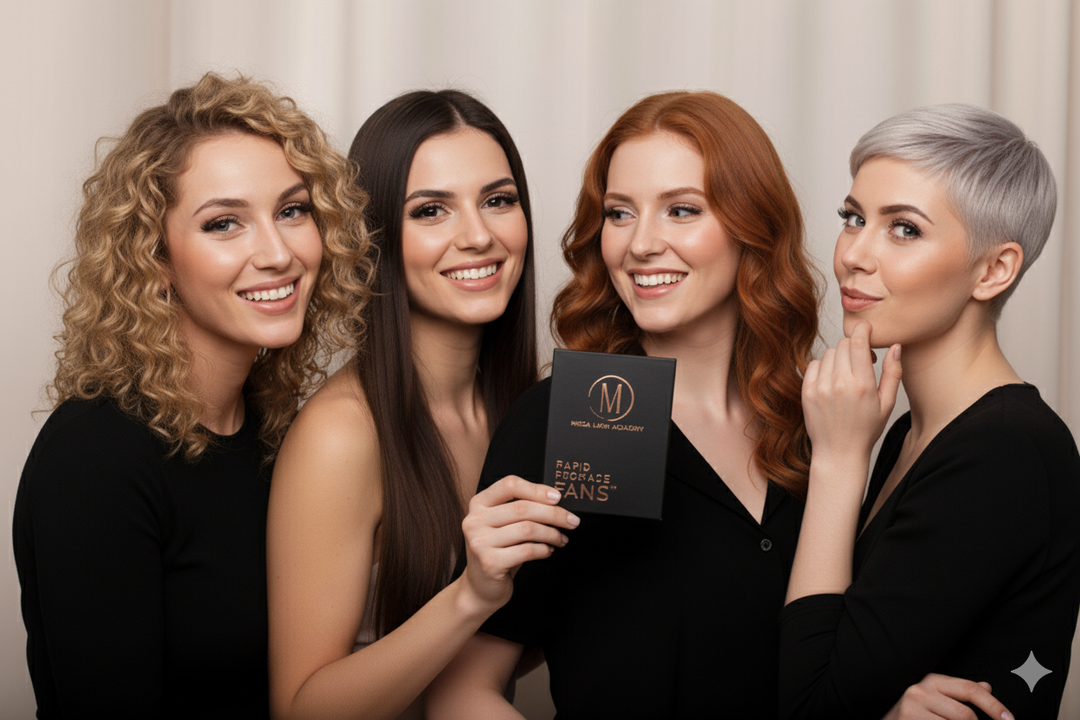
Shop: Rapid Promade Fans® · Velo Fans
3. Sell retention, not just sets
Clients who are spending carefully want proof their money lasts. Great retention is that proof. It starts with the right adhesive for your room's humidity and temperature, and it continues at home with proper aftercare.
Send every client home with a cleanser and simple instructions. It protects your work, and it adds retail income without adding chair time.
Shop: Lash Adhesives · Lash Aftercare
4. Give clients more than one way to say yes
A tiered menu keeps clients booked when budgets shift. Think about:
- A lighter natural set at a lower price point
- Express fills for clients who come back on time
- Lash lift and tint for clients taking a break from extensions
- Memberships for your regulars, which smooth out your income and lower their per-visit cost
The goal is simple: a client who needs to spend less should step down your menu, not walk out your door.
5. Talk directly to the cluster crowd
Make content for the person holding a cluster kit right now. Compare honestly: a DIY cluster usually lasts about a week and needs reapplying, while a professional set, filled every two to three weeks, doesn't take up her mornings. Show close-ups of how seamless your work looks. Invite curious first-timers with a natural starter set.
You're not trying to shame anyone for DIY. You're showing them what's possible when they're ready.
6. Protect your margins
When clients watch their spending, your margins matter even more. Know exactly what each set costs you in lashes, adhesive, and supplies. Buy from a supplier you trust for consistency, because redoing a set or losing a client over poor retention costs far more than a few dollars saved on product.
A note from one small business owner to another
I didn't start Mega Lash Academy in a shiny storefront. I started it in a basement, working late nights after my son went to bed. Along the way we've dealt with moves, a flood, and more than one moment where it felt like the ground was shifting.
Here's what I've learned: trends change. Economies go up and down. New products and new technology show up. The businesses that last aren't the ones that never feel the pressure. They're the ones that pay attention, adjust, and keep showing up for their people.
Lash extensions aren't out of style. Clients still want to feel beautiful, confident, and cared for. They just want it to look more like themselves, fit their budget, and be worth every dollar.
You can give them that. And if you do, 2026 won't be the year lashes went out of style. It'll be the year your business got sharper.
Frequently asked questions
Are lash extensions still popular in 2026?
Yes. The global eyelash extension market is still projected to grow through 2030 and beyond. What's changed is the style: clients are choosing softer, more natural sets like wispy, hybrid and brown lashes instead of heavy volume.
Are cluster lashes replacing lash extensions?
Not really. DIY clusters are popular, but they typically last about 5 to 7 days, come with a learning curve, and aren't a good fit for everyone. Many cluster users eventually move to professional extensions for longer wear and a more seamless look.
How much do lash extensions cost in 2026?
In the U.S., a full set generally ranges from about $120 for classic to $500 or more for mega volume. Fills usually run about $50 to $175 every two to three weeks, depending on the style and location.
What lash extension styles are trending in 2026?
The biggest 2026 lash trends include natural wispy sets with soft spikes, hybrid lashes, brown lash extensions, lifted L, LC and M curls, a softer cat eye, and lash lift and tint for clients who want a natural option.
Will robots replace lash artists?
Robotic lash services exist and are expanding in some retail stores, but they still rely on human lash artists for consultation, prep and finishing. Personalized mapping, client relationships and trust remain things clients value in a human artist.
Sources
- Research and Markets: Eyelash Extension Market Forecast to 2032
- Technavio: Eyelash Extension Market 2026 to 2030
- Global Cosmetic Industry: Consumers Are Buying Less but Expecting More
- CivicScience: Salon Visits Are Down, DIY Beauty Treatments Are Up
- Zenoti: Beauty Budget Breakdown 2026
- eMarketer: Beauty Spending Set to Slow in Q1
- CosmeticsDesign: LUUM Next-Generation AI Lash Robot
- American Spa: 7 Lash and Brow Trends in 2026
- A-RIX: Viral TikTok Lash Trends 2026